
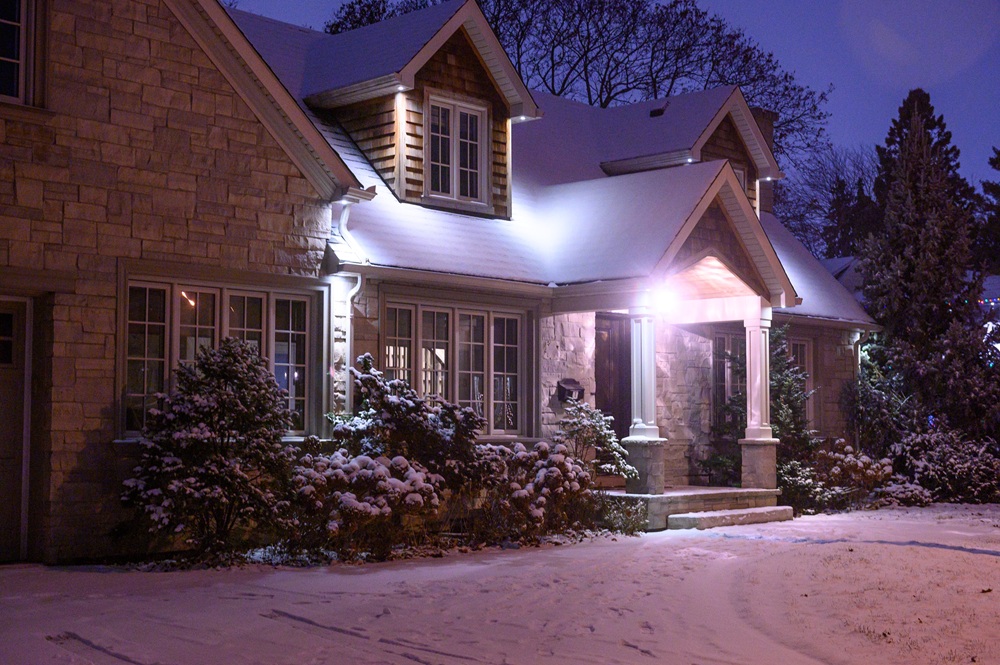
Winter has a habit of exposing every small weakness in a home. A draught you barely noticed in September can become impossible to ignore in January, while blocked gutters, poorly insulated rooms and neglected pipework can all become much bigger problems once temperatures drop.
Preparing early can make your home more comfortable while helping reduce the risk of expensive repairs during the coldest months.
Check your heating before you need it
Don’t wait for the first freezing morning to discover the heating isn’t working. Turn the system on before winter arrives and check that radiators are heating evenly. If some remain cold at the top, they may need bleeding.
Boilers should also be serviced according to the manufacturer’s recommendations. Check heating schedules and thermostats too. Setting the system around when you’re actually at home can prevent energy being wasted heating an empty property.
Look for draughts
Check window frames, external doors, letterboxes and other openings for obvious draughts. Suitable seals, draught excluders or repairs can reduce unwanted airflow. Curtains can also help retain warmth after dark, particularly around older windows.
Do not permanently block ventilation required for appliances or moisture control. The aim is to reduce uncontrolled draughts, not prevent the property from ventilating properly.
Clear gutters and drains
Autumn leaves can quickly fill gutters. If water cannot drain properly, it may overflow down walls or collect around parts of the roof. During freezing weather, trapped water can also create additional problems.
Clear leaves and debris before winter and check that downpipes are flowing freely. Look for damaged roof tiles, loose flashing or other signs that water could enter the property during wet weather.
Protect vulnerable pipes
Pipes running through lofts, garages and other colder areas of the property may benefit from suitable insulation.
If going away during winter, avoid switching everything off without considering the risk of freezing. Follow manufacturer guidance and make sure somebody knows how to turn off the water supply if an emergency occurs.
Note. It is worth locating your stopcock before you ever need it.
Prepare outside areas
- Winter preparation should extend beyond the walls of the house.
Check exterior lights so paths and entrances remain visible on dark evenings. - Repair loose paving where possible, and make sure steps and handrails are secure before icy conditions arrive.
- Garden furniture and equipment that will not be used for several months can be cleaned and stored somewhere dry.
- If you keep tools, bicycles or other valuable items in the garage, winter is also a good time to review locks and general security.
Do not ignore the garage
Garages are often forgotten when people think about winter insulation. That can be a mistake, particularly if the garage is attached to the house or has a bedroom or living space directly above it.
An old, poorly fitted garage door can allow cold air into the space and create substantial draughts. Replacing it with an insulated design may help create a more stable environment. Seek out insulated garage doors constructed from insulated double-skinned panels, which can improve thermal performance compared with basic single-skin designs.
Check the seals around the door as well. Damaged or missing seals can allow wind and rain inside even when the door itself remains perfectly functional.
For more insights into garages, homeownership and more, visit the SD Garage Doors website today.